7 Practical Tips for Moving Overseas with a Pet

07/26/10  Print This Post Print This Post    7 Comments      Written by Mary Richardson
    Share

Photo: e³°°°

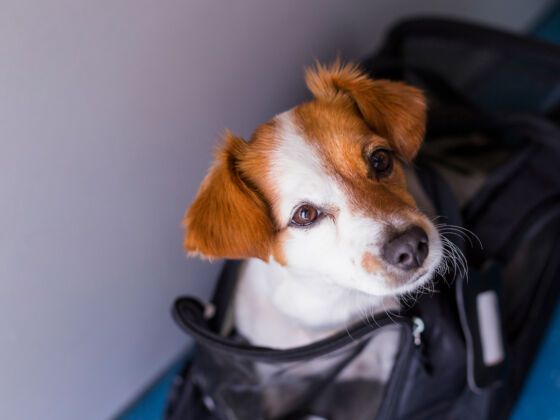
Moving abroad can take a lot of preparation and planning ahead, especially if you hope to bring your pet with you.

When my husband and I decided to move to Japan, we faced a hard decision about our cat. Should he come or should he stay? At the time, bringing him seemed difficult. There were too many other details to consider and we couldn’t face the extra paperwork. I left him with a trusted relative for safekeeping.

Now, I regret that decision. After all, I adopted him from an animal shelter and made a lifetime vow to care for him. Leaving him, I broke a serious promise.

Since moving, I have met other expats who have successfully moved their pets overseas. They agree there are benefits to undergoing the complex process. The first advantage is that your pet is with you, which may be (depending on age and other factors) the animal’s best interest. You maintain the relationship and don’t have to worry about your animal’s care in your absence. It’s also comforting to have a familiar “friend” as you adjust to a new lifestyle.

The downside is that the process can be expensive and stressful. In addition, it may prove difficult to find appropriate housing or vet facilities near your new home.

If you are considering moving your pet overseas, here are some basic guidelines to follow.

1. Check with the Consulate

Rules vary greatly in different countries regarding the import of animals, and these regulations often depend on your country of origin. First, determine if you can bring your pet at all. In some countries, certain species of dog and cat are accepted, while others are not.

For a preliminary idea of a country’s regulations, refer to Petrelocation.com, although information on this site is general only. Refer to the country’s consulate for recent official requirements.

2. Assess the Living Environment Abroad

Contact a local person and ask questions about the community. Do apartment and house rentals accept pets? Are vet facilities available? Is animal care affordable? In Japan, a friend of mine with a dog revealed that vet clinics in our area are extremely busy, and it’s hard to get an appointment.

Are there kennels where you can leave your pet while you’re away? What’s the local attitude towards pets? Are many people suspicious of black cats, for example?

Photo: someToast

3. Come up with a Timeline

To import a pet, most countries require a stringent sequence of medical tests. The timing of each stage is extremely important, and failure to adhere exactly may result in headaches and extra costs.

Satisfying the requirements to bring an animal to Japan takes at least six months. A dog or cat must have a microchip, rabies vaccinations, and blood tests at prescribed stages. There is also a 180-day waiting period after the blood tests before the animal is allowed entry without quarantine.

4. Meet with the Vet

Schedule an appointment with a vet experienced in preparing animals for overseas travel. That person may already be familiar with the procedures, which lightens your burden to ensure they are done properly.

Discuss your pet’s overall health and age as well as potential problems with moving abroad.

5. Contact Airlines

Airlines have different regulations for transporting animals internationally. Contact a representative directly to clarify specific issues or concerns.

It’s also important to know that rules for transporting your pet may change at different stops on the travel itinerary. For example, one set of rules may be in place for flying your dog from Los Angeles to Tokyo, but once in Japan, the rules may be different from Tokyo to Okinawa.

6. Find a Pet Carrier

Ensure you have the proper animal carrier for an international flight. Many airlines require the carrier to be approved by the International Air Transport Association (IATA). In some cases, you may be able to rent one directly from the airline. In any case, an airline representative can explain exact dimensions needed based on the species and size of your animal. You should expect to pay considerable transport, handling and holding fees.

7. Focus on the Details

Once you start the complicated process of expatriating your pet, follow the directions exactly. Don’t remain confused by a requirement; speak to someone who can clarify. The consequence of making a mistake, even a small one, can be costly and frustrating.

Another friend in Japan told me she had problems clearing her cat at customs because one signature on her documentation was signed in the wrong color ink! She faced an expensive quarantine for $100 US a day until the matter was settled.

Keep multiple copies of the documentation. Set aside money for unexpected fees and problems you might encounter along the way. Finally, have a backup plan in the event you can’t move your pet as planned.

Additional Resources

Pet travel.com, Independent Pet and Animal Transportation, Jetpets, and World Pet Travel can provide more information about moving your pet overseas, including pet relocation services.

Community Connection

Have you ever moved overseas with a pet? Share your experiences and tips in the comment section.

For more about traveling with animals, check out How Emotional Support Animals are Changing Air Travel over at Matador Change.


    Share

About the Author

Mary Richardson

Mary Richardson is a former Peace Corps Volunteer in Khorixas, Namibia. Currently, she lives in Okinawa, Japan where she is a tour guide and travel writer.

7 Comments... join the discussion!

  • Abbie replied on July 26, 2010

    Thanks for this article! This is one of the biggest things holding me back from moving abroad (I’m terrified to put my dogs on a place actually), but this is good info. :)

    (Report comment)

    ↵ Reply
  • Kate replied on July 26, 2010

    Bringing my cat to Argentina, it was necessary to go through the USDA to get the paperwork. Coming from Kentucky, there was only one office which was an hour’s drive away (only, thank goodness). There are specific forms that must be signed and stamped by a vet – and your vet may not know what they are.

    Be sure to contact your state USDA who will know which forms are necessary. They can overnight them to your vet’s office. I came to the USDA short on time with the wrong form when my vet thought he knew which was the right one only have to make the same round trip the next day after the USDA informed my I had the wrong form.

    It all ended up ok, though. The fat kitty is by my side, chewing his back claw.

    A friend of mine had to quarantine her dog in the UAE for months. There was no getting around it. Depending on what country you’re going to be in and the length of your stay, sometimes it’s not worth it.

    Also, Delta is more expensive, but allows pets inside the plane (under a certain weight). You can run into problems with temperature in transit – I kept hearing that if the temperature outside at any point in the drip was too hot or too cold, animals would not be allowed in the cargo hold. As I was coming from a Kentucky winter to an Argentine summer, I may have been prevented from taking my cat with me if he was “booked” as cargo.

    Thanks for the article. There are a lot of nuances and laws, but it’s not impossible to bring your pet along.

    (Report comment)

    ↵ Reply
  • aelle replied on July 26, 2010

    Thank you for this article. I currently live in Seoul and have been thinking about adopting, and the first thing I did was check out the regulations and time frames for bringing my future pet back home, or to wherever I’m likely to move on. Apparently an alarmingly large number of foreigners here don’t even bother researching this and end up dumping their companion animal when it’s time to go home. If you have doubts about whether you can handle the life long commitment of caring for a pet, foster! Tons of shelters are looking for foster homes, all over the world.

    Some places make it easier to travel with a pet than others. Islands are very difficult – mostly because they want to stay free of rabies – but in the EU, for example, you can get a pet passport that allows you to travel easily from one member state to another.

    I am convinced that with regards to travel, having a pet is like having a baby. It does change the deal, but if you really want to do both, you still can. All it takes is preparation and commitment.

    (Report comment)

    ↵ Reply
  • Sarah replied on July 27, 2010

    I gave serious thought to how I could travel when I adopted by dog. I decided that it wouldn’t be the end of the world for me to focus on domestic travel by car for a while. Couldn’t stand the thought of putting my dog in cargo on a plane. I know lots of dogs are pretty happy-go-lucky & can handle it just fine, but mine tends to get a tad aggressive when frightened or startled. Wouldn’t want to see the mess that could cause without me there to supervise.

    (Report comment)

    ↵ Reply
  • Rosie replied on July 30, 2010

    Good article. We moved from the UK to Spain with a cat. We came accross on a ferry in a campervan. Lived in camper for 2 months after selling house tying up loose ends then travelled on ferry & lived on camp sites whilst house hunting. We were a little apprehensive at first but Simpson was born to travel. On camp sites we took him walkies on a leash – at 12 it was his first time on leash but after sgort introductions that was no problem. He has a pet passport. As Aelle says all it takes in preparations & committment

    (Report comment)

    ↵ Reply
  • Melissa replied on August 2, 2010

    Great article and advice!

    (Report comment)

    ↵ Reply

Leave a Comment

Get Matador in your inbox and around the web.

Sign up for our FREE weekly newsletter.


View full list of RSS feeds

Jump To Category:


Explore the Community


Popular Stories on Matador

Photo Essay: Route 66, The Western Way

Scott Spoleder takes us through Seligman, Peach Springs... 

10 Reasons Why Volunteering Is Better Than Traveling

... 

Call for Submissions: Tales From The Frontier of Expat Life

I'm looking for stories about expats exploring the comp... 

Seriously Slow: 6 Travelers Who Walked Around The World

Traveling around the world is one thing; walking around... 

Photo Essay: Wreck Diving in the Great Lakes

Diving in the Midwest isn’t as glamorous as diving in... 

5 Mistakes Novice Hikers Make (and How to Avoid Them)

I was exhausted, hungry, cranky, and feeling generally ... 

Ultimate Burning Man Packing List: 50+ Items To Bring To BRC

The first step to a successful trip to

Surfers and Sport Anglers Speak Out On BP Oil Spill

"We don't know what the future holds, but the beaches l... 

Impossible Music Is Not Quite Impossible

The Impossible Music Project gets artists censored by t... 

Experience the Art of Improv Travel

Travel is more about how you do it, not where you go. F... 


Focus


Editor Blogs